KITOMWANGI

Nairobi, Kenya · est. 2016

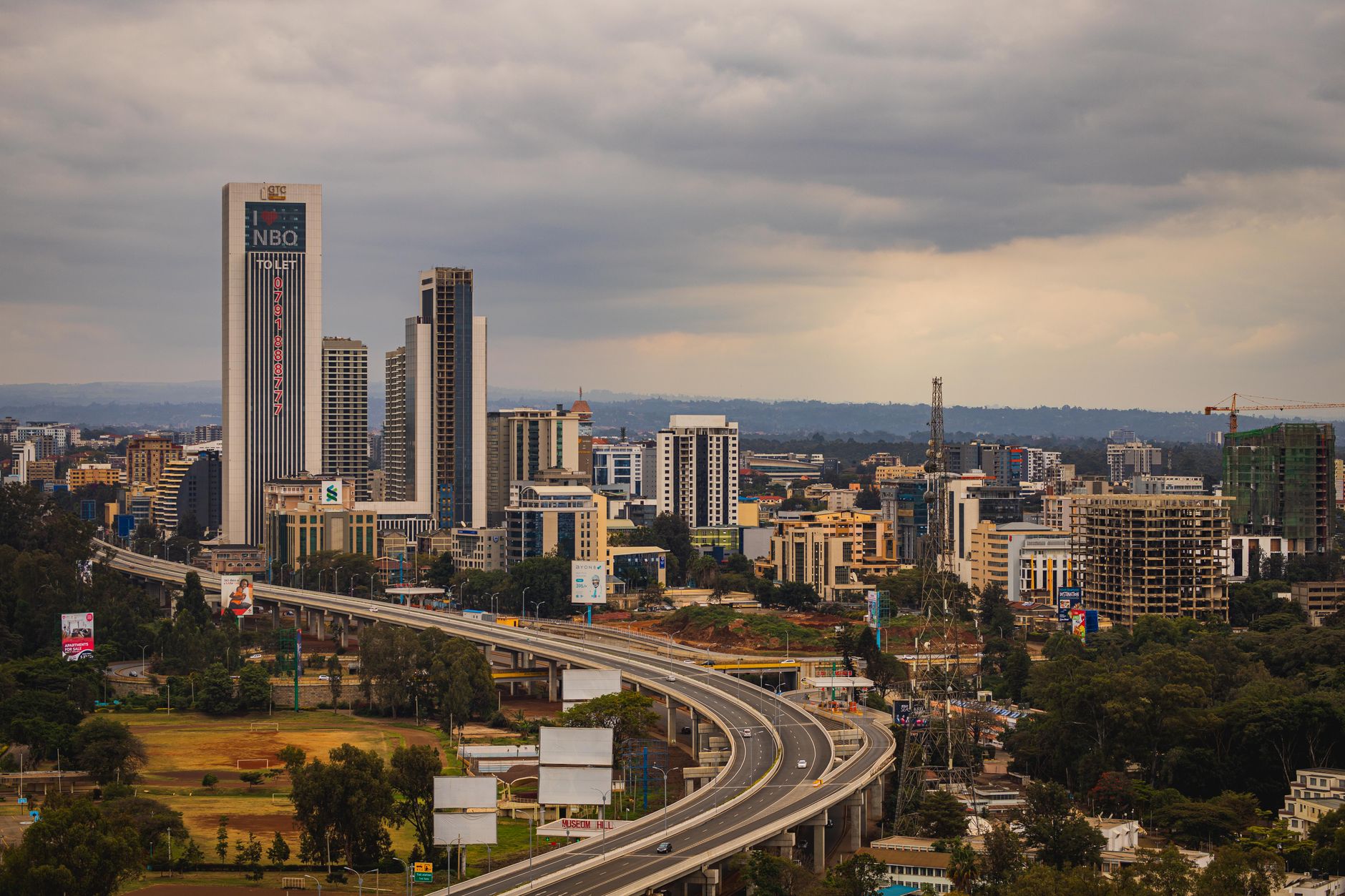
I pull two-ink risograph editions in a converted garage off Ngong Road, and I skate the same city that ends up in them. Fluorescent pink, royal blue, and whatever the pavement hands back.

Screenprint & riso Deck graphics Zines Editions of 30

Move your cursor across the plate

Inline skater airborne over a concrete ledge, shot from below against a bright sky

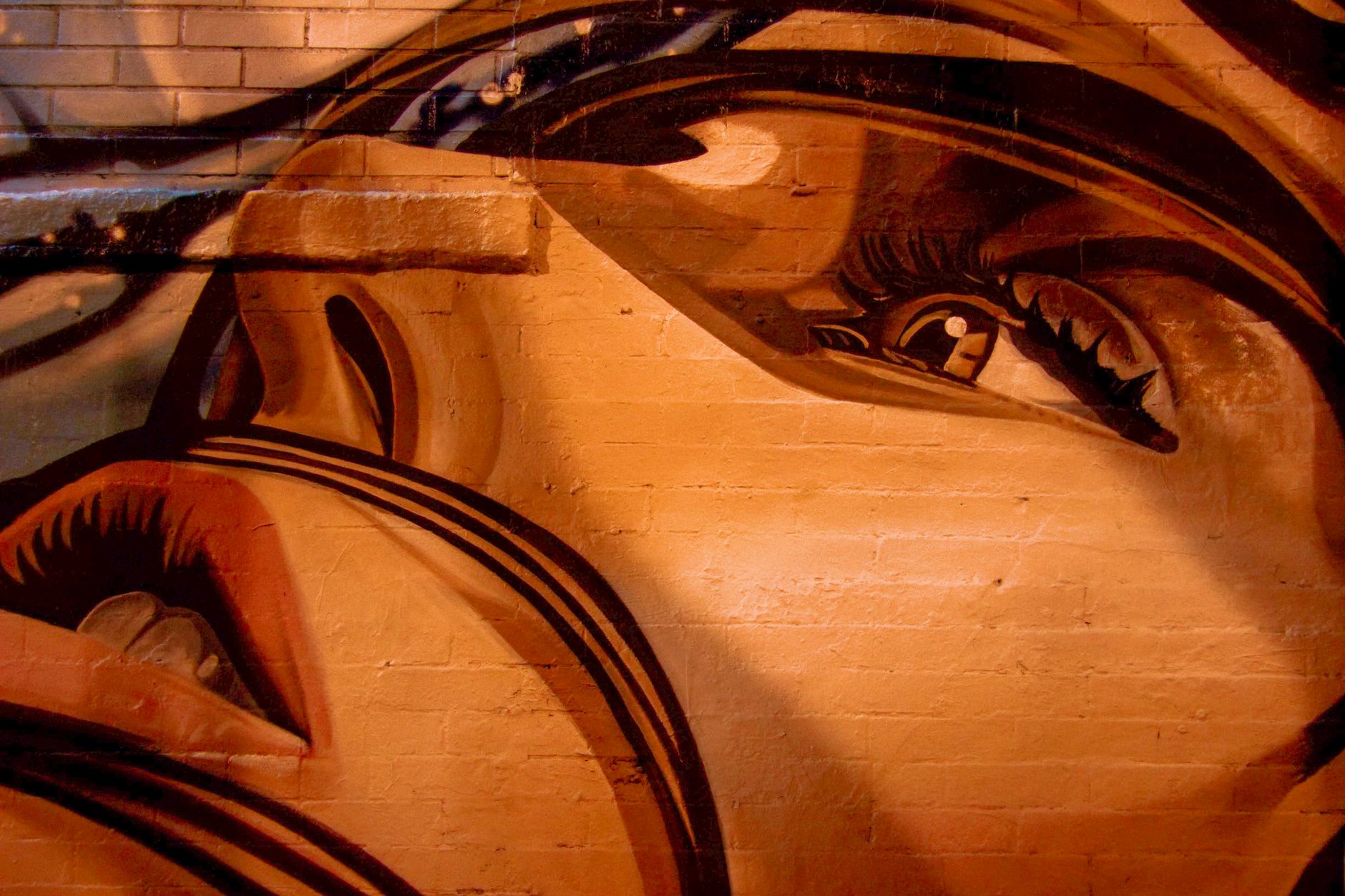
Plate 07 — Ngong Road Gap. Two-colour riso on 160gsm Fabriano, edition of 30. The overlay is the second ink pass; you're wiping it back with your hand.

Selected work

About

I'm Kito Mwangi. I was born in Nairobi in 1994 and I've lived in the same three-kilometre radius my whole life — Kilimani, then Kibera for six years, now a flat in Dagoretti North with a garage I rent separately because the press is too loud for the neighbours.

I started skating at twelve on a pair of inline skates two sizes too big, laced tight enough to stay on, and I started drawing because I wanted graphics I couldn't afford. That's still basically the whole practice: I make the things I want to look at, using what's in reach. The risograph came later, in 2019, when a friend clearing out a church basement offered me a machine for the price of a van. I said yes before I knew what a master was.

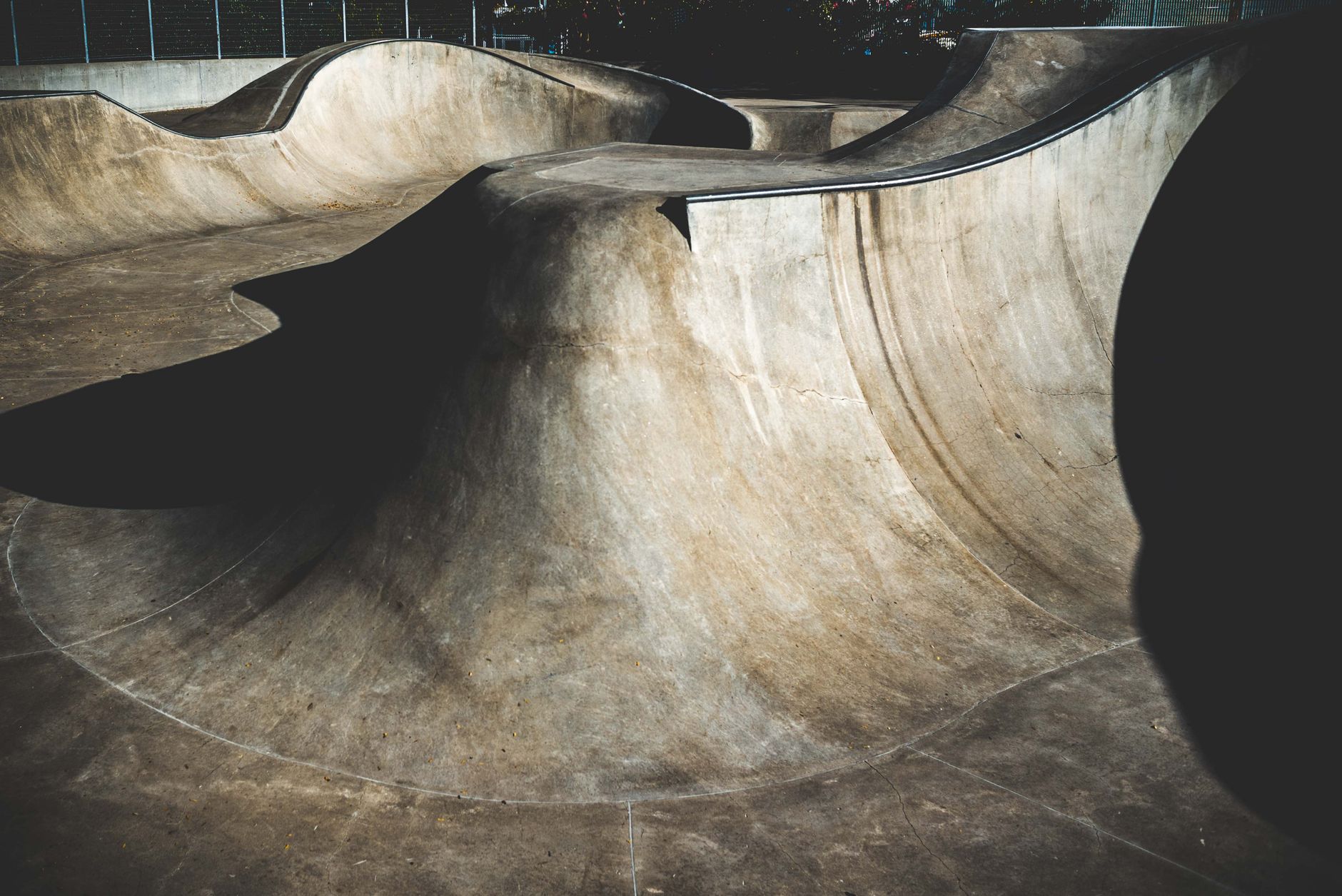
The work sits between printmaking and street documentation. I'm not interested in skate photography as a genre — I'm interested in the city that skating forces you to look at closely. Curbs, loading bays, the underside of a handrail, the specific grey of a Nairobi pavement in July. Two inks is enough to say it. Pink for the heat, blue for the shadow.

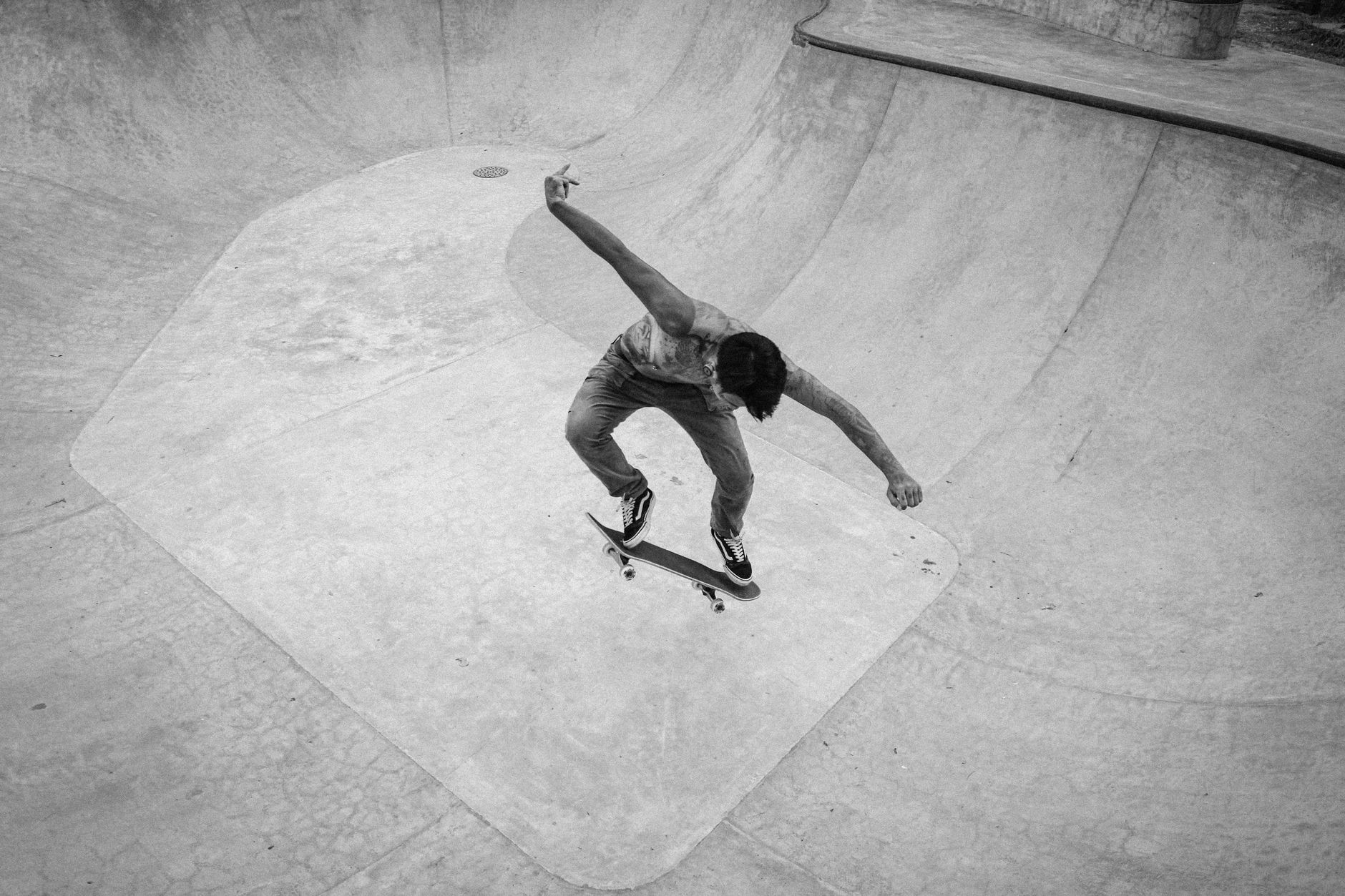
On the inline side I ride a flat 80mm setup with a rockered frame — four wheels down, no brake, which is a decision I've regretted exactly twice. It's the wrong tool for a handrail and the right one for everything else: long pushes out to Ngong, the loading ramp behind the industrial area, the smooth apron outside KICC at seven in the morning. Most of the drawings in the gallery started as something I stopped to look at mid-session, standing on one skate with a pen in my sock.
Method

Two inks, always

Fluorescent pink and royal blue, no black. Black is a cheat — it flattens everything into the same value. Two colours force me to decide what's hot and what's cold, and there's nowhere to hide a bad drawing.

Out of register on purpose

A perfect riso print looks like an office document. I offset the second pass by two or three millimetres so the edges vibrate. It's the same reason a photograph of a skater mid-trick is better than one landed.

Draw on site, print at night

Everything starts as a pen drawing made standing up, usually within an hour of seeing the thing. Then it goes to the garage and gets pulled between ten p.m. and two a.m., when the city is quiet enough to hear the drum.

Editions of thirty

Small enough that I can check every sheet by hand, large enough that a print costs less than a deck. When an edition sells out I don't reprint it — the master gets filed and the next drawing starts.

Kit

Risograph SF9450 (secondhand, 2019) · Fabriano Rosaspina 160gsm · Zerkall 120gsm for zines · Riso SF fluorescent pink & royal blue drums · Sakura Pigma Micron 05 for site drawings · a 2014 Polaroid Land Camera that eats film faster than I can buy it · skates of choice: flat 80mm frame, rockered, ABEC-7 bearings I replace too often, and knee pads I only started wearing after I turned thirty.

Now

Currently working on Plate 12 — Kibera Line, a twelve-sheet riso series tracing the route I used to skate to school. It's the first time I've tried to make a print that reads as a map without being one.

The drawings are done. I'm in the proofing stage, which means I've ruined about forty sheets learning that the blue drum runs hotter than the pink on this paper. Expect the edition in March. There's a zine of the site drawings coming with it — sixty pages, saddle-stitched, printed at the same time so the colours match.

I'm also teaching a Saturday riso workshop at the GoDown once a month, six people at a time, bring your own drawings. It's free; the machine was given to me and it seems rude to hoard it.

Contact

Commissions, deck graphics, wholesale for shops, or workshop bookings — all welcome. I answer everything myself, usually within two days.

Studio
Garage 4, off Ngong Road
behind the tyre place, Dagoretti North
Nairobi, Kenya
Visits
By appointment — the gate is usually locked and I'm wearing headphones.
Post
P.O. Box 44102, Nairobi 00100

Made with kwaku

> site.js" defer> >